Galapagos finches are among the most famous birds in the world. These small birds played an important role in shaping scientific understanding of evolution and natural selection. Found primarily in the Galapagos Islands, they are often referred to as “Darwin’s finches” because of their connection to the work of naturalist Charles Darwin.
Although they may appear ordinary at first glance, Galapagos finches are remarkable examples of how species can adapt to different environments over time. Their varying beak shapes, feeding habits, and behaviors provide valuable insights into how animals evolve in response to their surroundings.
This guide explores everything you need to know about Galapagos finches, including their history, characteristics, habitat, diet, behavior, and scientific importance.
What Are Galapagos Finches?
Galapagos finches are a group of small songbirds native to the Galapagos Islands, an archipelago located in the Pacific Ocean west of Ecuador.
Despite being called finches, these birds belong to a unique group that evolved from a common ancestor. Over many generations, different populations adapted to various environmental conditions across the islands.
Today, scientists recognize multiple species of Galapagos finches, each with distinct features and feeding strategies.
These birds are best known for their beaks, which vary significantly in size and shape depending on the food sources available in their habitats.
Why Are They Called Darwin’s Finches?
Galapagos finches became famous because of their connection to the work of Charles Darwin.
In 1835, Darwin visited the Galapagos Islands during the voyage of the HMS Beagle. While observing wildlife across different islands, he noticed that similar birds displayed important differences from one location to another.
Although Darwin did not immediately recognize the significance of the finches, later studies revealed that the birds had evolved from a common ancestor and adapted to different ecological niches.
These observations eventually contributed to Darwin’s theory of evolution through natural selection, one of the most influential scientific theories ever developed.
Where Do Galapagos Finches Live?
Galapagos finches are found primarily on the Galapagos Islands.
The islands provide a variety of habitats, including:
- Dry forests
- Coastal regions
- Shrublands
- Grasslands
- Cactus-covered areas
- Highlands
- Volcanic landscapes
Different finch species occupy different habitats depending on their food sources and environmental needs.
Some species are widespread across multiple islands, while others have more limited distributions.
How Many Species of Galapagos Finches Are There?
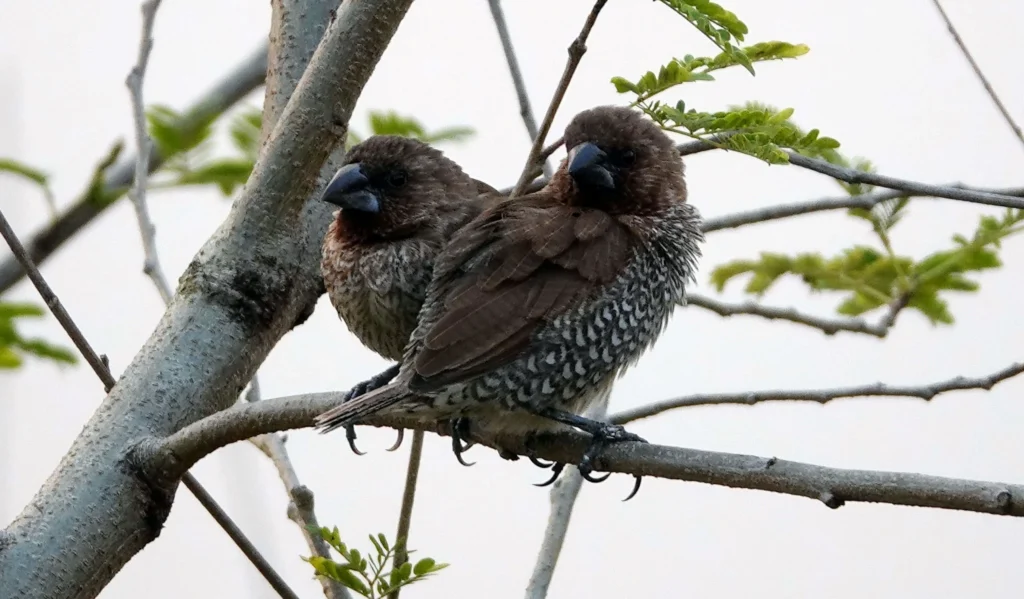
Scientists generally recognize around 15 species of Darwin’s finches.
These species are divided into several groups based on their feeding habits and physical characteristics.
Major groups include:
- Ground finches
- Tree finches
- Warbler finches
- Vegetarian finches
- Cactus finches
- Woodpecker finches
- Mangrove finches
Each species has evolved unique adaptations that allow it to survive within specific ecological niches.
Physical Characteristics
Galapagos finches are relatively small birds.
Most species measure between 10 and 20 centimeters in length and weigh only a few grams.
Their plumage is generally modest, featuring shades of:
- Brown
- Black
- Gray
- Olive
While their body colors may appear similar, their beaks often differ dramatically.
The beak is one of the most important identifying features among finch species.
Beak Shapes
The beaks of Galapagos finches have evolved to match different food sources.
Some species have:
- Large crushing beaks
- Thin pointed beaks
- Long curved beaks
- Sharp probing beaks
These differences allow various species to utilize different resources while reducing competition for food.
Why Are Their Beaks So Important?
The beaks of Galapagos finches are one of the most famous examples of adaptation in nature.
Different islands contain different types of food. Over time, finches with beak shapes better suited to available food sources were more likely to survive and reproduce.
For example:
- Large beaks help crack hard seeds.
- Thin beaks help catch insects.
- Long beaks help reach cactus flowers.
- Sharp beaks assist in probing bark and crevices.
This process demonstrates natural selection in action.
The relationship between beak shape and food availability remains one of the most studied examples of evolution.
Types of Galapagos Finches
Ground Finches
Ground finches are among the best-known Darwin’s finches.
They spend much of their time foraging on the ground for seeds.
Species within this group vary significantly in beak size.
Some specialize in small seeds, while others can crack large, hard seeds that few other birds can consume.
Tree Finches
Tree finches spend more time in vegetation and forests.
They feed on insects, fruits, and plant materials.
Their beaks tend to be more slender than those of ground finches.
Warbler Finches
Warbler finches have narrow beaks that are well suited for catching insects.
They often move through vegetation searching for small prey.
Their feeding behavior resembles that of warblers more than traditional finches.
Cactus Finches
Cactus finches are commonly found in areas dominated by cactus plants.
They feed on:
- Nectar
- Seeds
- Fruits
- Insects
Their specialized beaks help them access food resources associated with cactus habitats.
Woodpecker Finches
The woodpecker finch is particularly fascinating because it uses tools.
These birds may use twigs, cactus spines, or small sticks to extract insects from tree bark.
Tool use is relatively rare among birds, making this species especially interesting to researchers.
Vegetarian Finches
Vegetarian finches primarily consume plant materials.
Their diet often includes:
- Leaves
- Buds
- Fruits
Their strong beaks are adapted for processing vegetation rather than insects or seeds.
What Do Galapagos Finches Eat?
Diet varies significantly among species.
Common food sources include:
- Seeds
- Insects
- Fruits
- Flowers
- Nectar
- Leaves
- Buds
- Cactus material
Food availability can change seasonally, requiring finches to adapt their feeding behavior.
Some species display remarkable flexibility and can switch food sources when necessary.
This adaptability contributes to their survival in changing environmental conditions.
How Do Galapagos Finches Find Food?
Galapagos finches use several methods to locate food.
Ground Foraging
Many species search the ground for seeds and insects.
They move carefully through vegetation while looking for edible materials.
Tree Feeding
Tree-dwelling species inspect leaves, branches, and bark for insects and fruits.
Tool Use
Woodpecker finches demonstrate advanced problem-solving abilities by using tools to access hidden insects.
This behavior highlights the intelligence and adaptability of these birds.
Breeding and Reproduction
Breeding seasons often depend on rainfall and food availability.
When conditions are favorable, finches begin courtship and nesting activities.
Nest Building
Female finches typically construct nests using:
- Grass
- Twigs
- Plant fibers
- Leaves
The nests are often placed in shrubs, trees, or protected locations.
Eggs
Most finch species lay a small number of eggs per nesting attempt.
The parents work together to protect and care for their young.
Raising Chicks
After hatching, chicks are fed by their parents until they become independent.
The availability of food plays an important role in chick survival.
Social Behavior
Galapagos finches can be observed alone, in pairs, or in small groups.
Their social behavior varies by species and season.
During breeding periods, birds often become more territorial.
Outside the breeding season, multiple species may feed in the same general area.
Communication occurs through:
- Songs
- Calls
- Visual displays
These signals help birds defend territories, attract mates, and maintain social interactions.
Predators and Threats
Although Galapagos finches have adapted well to island life, they still face challenges.
Natural predators include:
- Hawks
- Owls
- Snakes
Young birds and eggs are particularly vulnerable.
In addition to natural threats, introduced species can create significant problems for finch populations.
Animals brought to the islands by humans may compete for resources or prey on native wildlife.
The Role of Galapagos Finches in Evolution
Galapagos finches are considered one of the most important examples of evolution in the natural world.
Scientists believe that all Darwin’s finches descended from a common ancestral bird that arrived in the Galapagos Islands thousands of years ago. As populations spread across different islands, they encountered unique environments and food sources.
Over many generations, these birds developed different physical traits that improved their chances of survival. Small changes accumulated over time, eventually leading to the formation of distinct species.
This process is known as adaptive radiation, where a single ancestral species evolves into multiple species that occupy different ecological niches.
The finches provide a clear example of how environmental pressures can shape the development of species over time.
Natural Selection and Galapagos Finches
Natural selection is one of the key concepts associated with Galapagos finches.
When resources are limited, birds with traits that help them obtain food more effectively are more likely to survive and reproduce. Their offspring inherit those beneficial traits.
For example, during periods of drought, larger and harder seeds may become more common. Finches with stronger beaks are often better equipped to crack these seeds and access food.
As a result, birds with advantageous beak characteristics may become more common within the population.
Over time, these small changes can have a significant impact on the evolution of a species.
Scientific Research on Galapagos Finches
Galapagos finches continue to be studied by scientists around the world.
Researchers examine:
- Beak development
- Feeding behavior
- Genetic variation
- Reproduction
- Population changes
- Environmental adaptation
Long-term studies have provided valuable information about how species respond to environmental challenges.
Because the finches live in relatively isolated habitats, they offer an excellent opportunity to observe evolutionary processes in real time.
Their ongoing study continues to expand our understanding of biology, ecology, and evolution.
Genetics and Finch Evolution
Modern genetic research has helped scientists better understand the relationships between different finch species.
DNA analysis has confirmed that the various species share a common ancestry.
Genetic studies have also identified genes associated with beak size and shape. These discoveries help explain how physical traits can evolve in response to environmental conditions.
By combining field observations with genetic research, scientists have gained deeper insight into the mechanisms that drive evolution.
Why the Galapagos Islands Are Unique
The Galapagos Islands provide an ideal environment for studying evolution.
Several factors contribute to their uniqueness:
Geographic Isolation
The islands are located far from mainland South America.
This isolation limits the movement of species and allows populations to evolve independently.
Diverse Habitats
Different islands contain varying climates and landscapes.
Some areas are dry and rocky, while others are greener and more humid.
These environmental differences create a range of ecological opportunities for wildlife.
Limited Competition
When the ancestral finches first arrived, there were relatively few competing bird species.
This allowed the birds to adapt to available food sources and occupy different niches.
The combination of these factors helped drive the diversification of Darwin’s finches.
Conservation Status of Galapagos Finches
Many Galapagos finch species remain relatively stable, but some face conservation challenges.
The health of finch populations depends on the protection of their habitats and ecosystems.
Conservation organizations, researchers, and government agencies work together to monitor bird populations and address potential threats.
Protecting the unique biodiversity of the Galapagos Islands remains a major conservation priority.
Threats Facing Galapagos Finches
Habitat Changes
Changes in vegetation and habitat quality can affect food availability and nesting sites.
Even small environmental changes may influence finch populations over time.
Invasive Species
One of the most serious threats comes from invasive species introduced by humans.
These may include:
- Rats
- Cats
- Invasive insects
- Non-native plants
Such species can compete with native wildlife or directly harm birds and their nests.
Climate Change
Climate patterns influence food availability, breeding success, and habitat conditions.
Changes in rainfall and temperature can affect the delicate balance of island ecosystems.
Scientists continue to study how climate-related changes may impact finch populations in the future.
Disease
Introduced diseases and parasites can pose risks to native bird populations.
Monitoring bird health is an important part of conservation efforts.
Conservation Efforts
Numerous conservation programs focus on protecting the wildlife of the Galapagos Islands.
These efforts include:
- Habitat restoration
- Invasive species control
- Population monitoring
- Scientific research
- Environmental education
The goal is to preserve both the finches and the ecosystems that support them.
Successful conservation efforts benefit not only finches but also many other species that inhabit the islands.
Interesting Facts About Galapagos Finches
Galapagos finches are full of fascinating surprises.
They Are Not True Finches
Although commonly called finches, these birds belong to a distinct group that differs from many traditional finch species.
They Inspired Evolutionary Thinking
Their diversity helped provide evidence for ideas that eventually contributed to the theory of evolution by natural selection.
Some Use Tools
The woodpecker finch is one of the few bird species known to use tools in the wild.
Their Beaks Can Change Over Time
Research has shown that environmental conditions can influence the prevalence of certain beak traits within populations.
They Live on Multiple Islands
Different species can be found across various islands throughout the Galapagos archipelago.
They Occupy Different Ecological Roles
Each species has adapted to specific food sources and habitats, reducing competition among birds.
Visiting the Galapagos Islands
The Galapagos Islands attract nature enthusiasts from around the world.
Visitors often travel to the islands to observe unique wildlife, including Darwin’s finches.
Birdwatchers frequently consider finch observation one of the highlights of a Galapagos trip.
When visiting, travelers should follow local conservation guidelines to help protect fragile ecosystems.
Responsible tourism plays an important role in preserving the islands for future generations.
How to Identify Different Finch Species
Identifying Galapagos finches can be challenging because many species appear similar at first glance.
Birdwatchers often focus on:
Beak Shape
The size and shape of the beak provide some of the most reliable clues.
Habitat
Knowing where a bird is found can help narrow down possible species.
Feeding Behavior
Observing how a bird obtains food often reveals useful identification information.
Body Size
Some species are noticeably larger or smaller than others.
Vocalizations
Songs and calls can help distinguish closely related species.
Field guides and experienced naturalists are valuable resources for identifying different finch species.
Why Galapagos Finches Matter Today
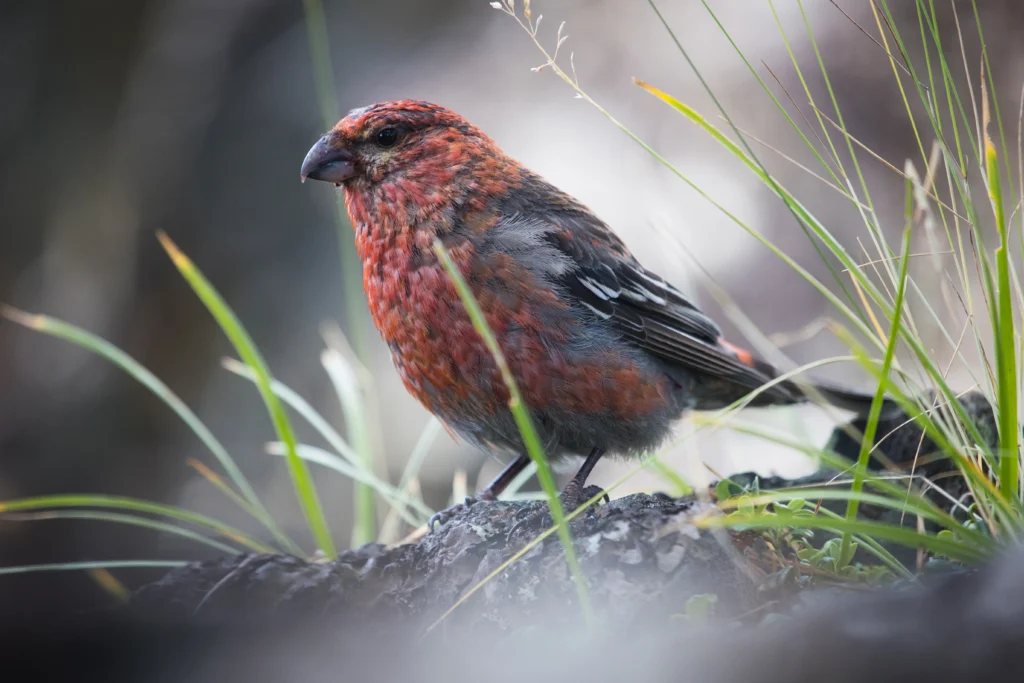
Galapagos finches remain relevant because they help explain how life adapts and evolves.
Their story demonstrates that species are not fixed or unchanging. Instead, populations can respond to environmental pressures through gradual adaptation.
The lessons learned from studying these birds apply to many areas of science, including:
- Evolutionary biology
- Ecology
- Genetics
- Conservation science
They continue to serve as a powerful example of nature’s ability to adapt and diversify.
What Can We Learn From Galapagos Finches?
The story of Galapagos finches teaches several important lessons.
- First, small differences can have major consequences over long periods of time.
- Second, environmental conditions influence which traits become advantageous.
- Third, biodiversity often arises through adaptation to different ecological opportunities.
- Finally, protecting natural habitats is essential for preserving the evolutionary processes that create and sustain life on Earth.
These lessons make Galapagos finches valuable not only to scientists but also to anyone interested in understanding the natural world.
FAQs About Galapagos Finches
How long do Galapagos finches typically live?
The lifespan of Galapagos finches varies by species and environmental conditions, but many can live several years in the wild when food and habitat conditions are favorable.
Do male and female Galapagos finches look different?
In some species, males and females have slight differences in coloration, size, or appearance, although these differences are often subtle.
Are Galapagos finches active throughout the year?
Yes. Galapagos finches remain active year-round, but their feeding and breeding behaviors may change depending on seasonal weather patterns and food availability.
Can Galapagos finches fly between islands?
Some finches are capable of flying between nearby islands, which can contribute to genetic exchange and the spread of populations.
Do Galapagos finches migrate?
No. Galapagos finches are generally non-migratory birds and spend their lives within the Galapagos archipelago.
How do Galapagos finches communicate with one another?
They use a combination of songs, calls, and visual displays to attract mates, defend territories, and communicate with other birds.
What role do Galapagos finches play in their ecosystem?
They help maintain ecological balance by dispersing seeds, controlling insect populations, and contributing to the overall health of island habitats.
Are Galapagos finches protected by law?
Yes. The Galapagos Islands are protected through national and international conservation efforts, and the native wildlife, including finches, receives legal protection.
What is the smallest species of Galapagos finch?
The warbler finch is among the smallest of Darwin’s finches and is recognized for its slender beak and insect-feeding behavior.
Why do scientists continue to study Galapagos finches today?
Researchers continue studying these birds because they provide valuable insights into evolution, genetics, adaptation, species formation, and environmental change.
Conclusion
Galapagos finches are far more than small island birds. They represent one of the most important examples of evolution and adaptation ever observed. Through their diverse beak shapes, feeding habits, and ecological roles, they provide remarkable insight into how species evolve in response to environmental challenges.
Native to the Galapagos Islands, these birds continue to capture the interest of scientists, students, and nature enthusiasts around the world. Their connection to Charles Darwin and the theory of natural selection has secured their place in scientific history, while ongoing research continues to reveal new information about genetics, adaptation, and biodiversity.
From seed-crushing ground finches to tool-using woodpecker finches, each species demonstrates the incredible diversity that can arise from a common ancestor. As conservation efforts continue to protect the Galapagos ecosystem, these remarkable birds remain a living example of evolution in action and one of the most fascinating groups of birds on Earth.