The Galapagos Hawk is one of the most fascinating birds found in the world. Known for its sharp eyesight, strong hunting skills, and fearless nature, this bird of prey plays an important role in the ecosystem of the Galapagos Islands. It is often considered the top land predator in the region and is admired for its intelligence and adaptability.
Unlike many hawks found in other parts of the world, the Galapagos Hawk has evolved in isolation. Over thousands of years, it adapted to the unique environment of the Galapagos archipelago. Because of this isolation, the bird developed behaviors and physical characteristics that make it different from other hawk species.
The Galapagos Islands themselves are famous for their unique wildlife. Located in the Pacific Ocean near Ecuador, these volcanic islands are home to many animals that exist nowhere else on Earth. The Galapagos Hawk is one of the most iconic examples of island evolution.
This article explores the Galapagos Hawk in detail, including its appearance, habitat, behavior, diet, breeding habits, conservation status, and its importance to science and nature.
What Is the Galapagos Hawk?
The Galapagos Hawk is a large bird of prey native only to the Galapagos Islands. It belongs to the hawk family and is scientifically known as Buteo galapagoensis.
This bird is considered an apex predator within the islands. Since there are very few natural predators in the Galapagos ecosystem, the Galapagos Hawk sits at the top of the food chain on land.
The species is closely related to other hawks found in the Americas, but it evolved separately after arriving on the islands many thousands of years ago.
Today, the Galapagos Hawk is one of the rarest hawks in the world.
Physical Appearance of the Galapagos Hawk
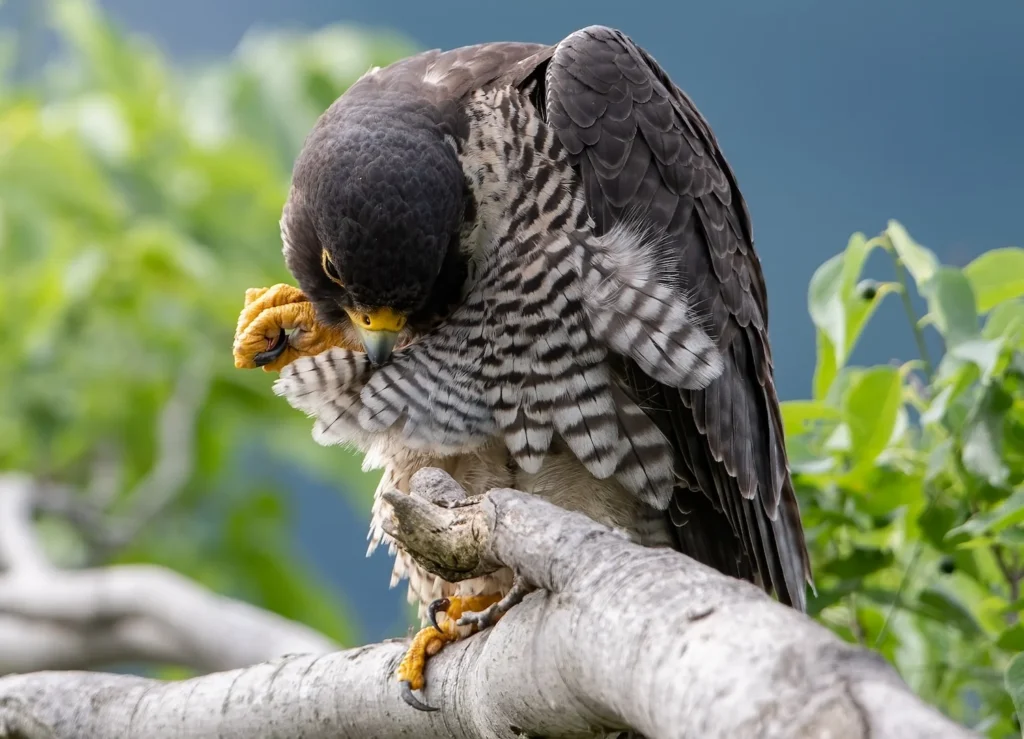
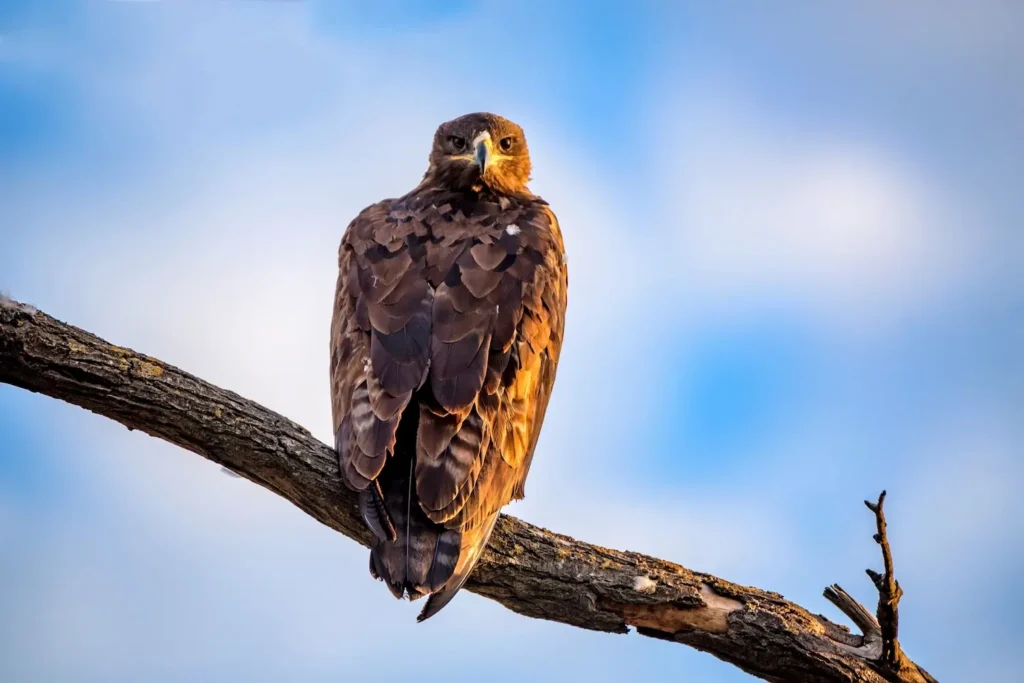
The Galapagos Hawk has a strong and impressive appearance. It is medium to large in size and has a broad body with powerful wings.
Adult hawks are mostly dark brown or blackish in color. Their feathers may appear slightly lighter on the edges, giving them a textured look. The tail often has faint gray markings.
Some key physical features include:
- Sharp hooked beak
- Strong yellow legs
- Large claws for catching prey
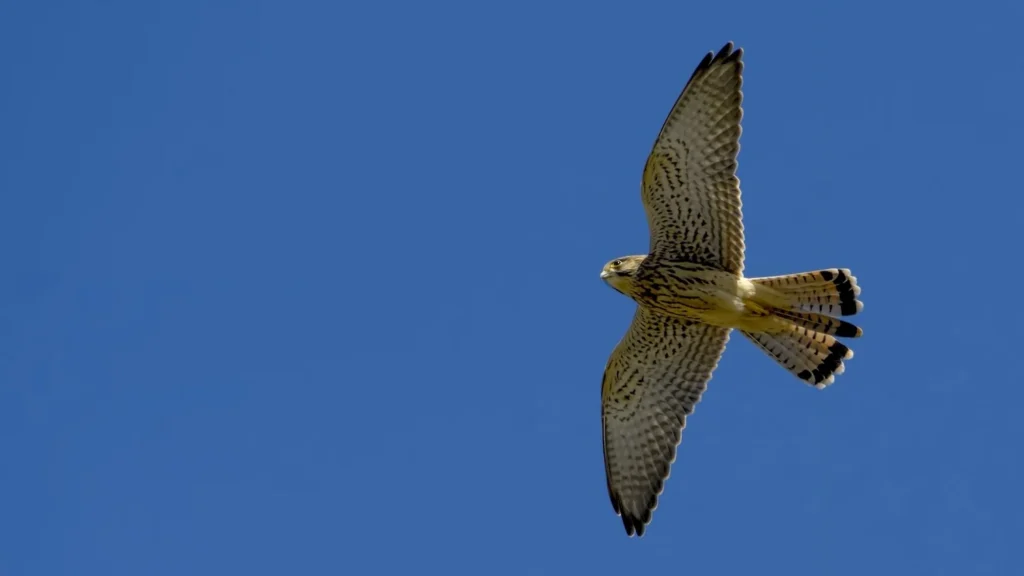
- Broad wings for soaring
- Excellent eyesight
Juvenile hawks look different from adults. Younger birds are lighter in color and often have streaked or mottled feathers. As they mature, their plumage becomes darker.
Female Galapagos Hawks are generally larger than males. This size difference is common among birds of prey.
Size and Wingspan
The Galapagos Hawk is considered a relatively large hawk species.
Typical measurements include:
- Length: Around 45 to 60 centimeters
- Wingspan: About 120 centimeters
- Weight: Approximately 700 grams to over 1 kilogram
Their broad wings help them glide effortlessly above volcanic landscapes, coastlines, and open fields.
Habitat and Distribution
The Galapagos Hawk is found only in the Galapagos Islands. This makes it an endemic species, meaning it naturally lives nowhere else on Earth.
The hawks inhabit several islands in the archipelago, including:
- Santiago
- Fernandina
- Isabela
- Española
- Santa Fe
- Pinta
- Pinzón
However, they are absent from some islands where human activity and introduced animals affected their populations.
The birds prefer habitats such as:
- Dry forests
- Lava fields
- Open grasslands
- Coastal cliffs
- Shrublands
Because the islands have few trees compared to mainland forests, the hawks often perch on rocks, cacti, or low branches.
Evolution and Origin
Scientists believe the ancestors of the Galapagos Hawk arrived from mainland South America thousands of years ago. Once isolated on the islands, the birds evolved separately from mainland relatives.
The Galapagos Islands are famous for helping scientists understand evolution, especially through the work of Charles Darwin.
Darwin visited the islands in 1835 during his voyage on the HMS Beagle. Although Darwin became more famous for studying finches, many Galapagos species, including the hawk, contributed to scientific understanding of adaptation and natural selection.
Over time, the Galapagos Hawk adapted to:
- Limited food resources
- Island climates
- Lack of predators
- Unique prey species
Its evolution demonstrates how isolation can shape species in remarkable ways.
Diet and Hunting Behavior
The Galapagos Hawk is a carnivorous predator with a varied diet.
It hunts many types of animals, including:
- Lizards
- Snakes
- Small birds
- Rodents
- Insects
- Crabs
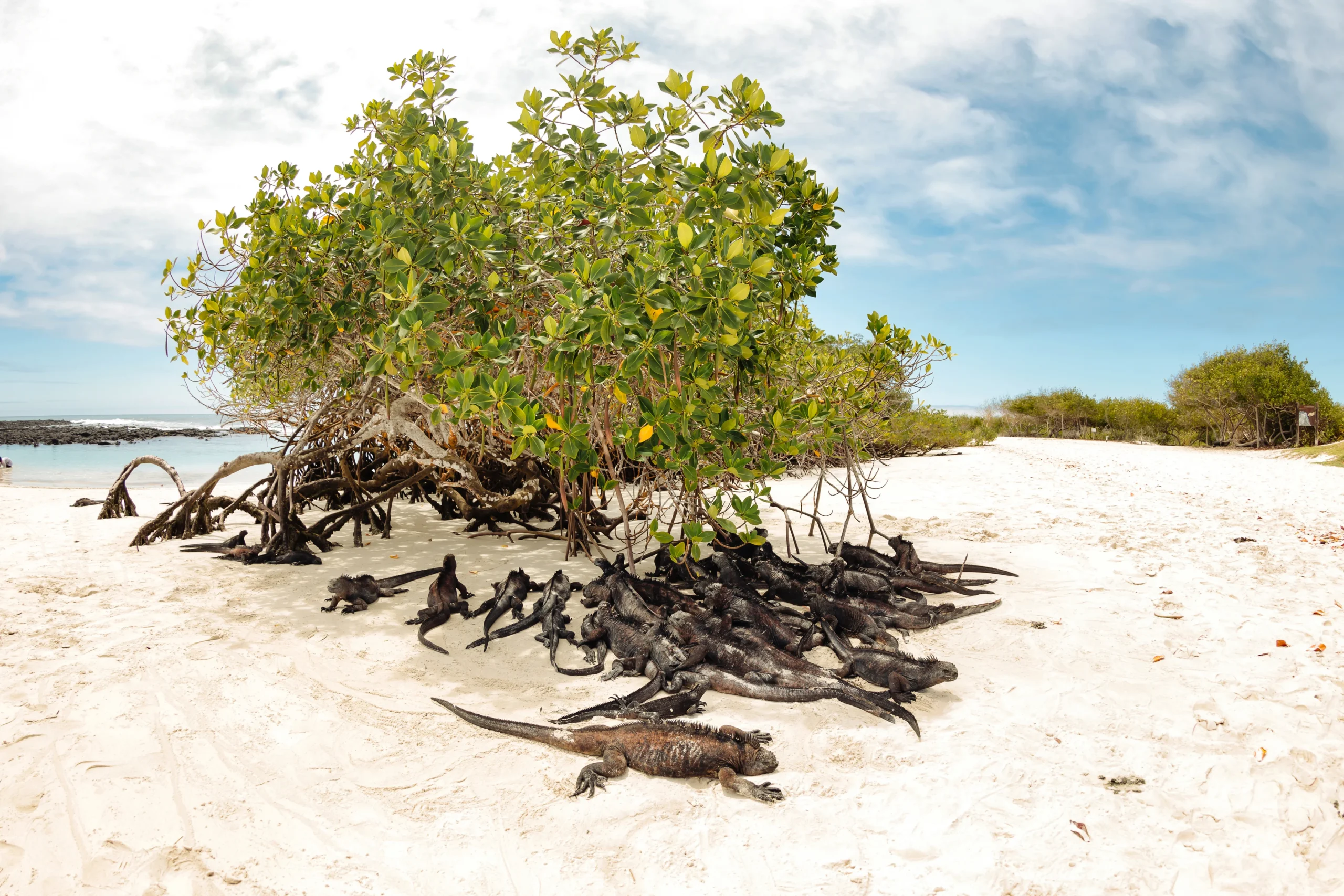
- Young marine iguanas
- Baby sea turtles
The hawk is also known to scavenge carrion when necessary.
One reason for its survival is adaptability. Since food availability changes across islands and seasons, the hawk can hunt different prey depending on what is available.
Hunting Techniques
The Galapagos Hawk uses several hunting methods.
These include:
- Soaring above open areas
- Watching prey from elevated perches
- Sudden dives and attacks
- Walking on the ground to capture prey
Their eyesight is extremely sharp, allowing them to spot movement from long distances.
Unlike some shy birds of prey, Galapagos Hawks are often fearless around humans due to the islands’ historical lack of predators.
Role in the Ecosystem
As a top predator, the Galapagos Hawk helps maintain ecological balance.
Predators are important because they:
- Control prey populations
- Remove weak or sick animals
- Support healthy ecosystems
Without predators, prey populations can grow excessively and damage habitats.
The Galapagos Hawk is especially important because the islands have relatively simple food webs compared to continental ecosystems.
Behavior and Social Structure
One of the most interesting things about the Galapagos Hawk is its unusual social behavior.
Unlike many hawks that form simple pairs, Galapagos Hawks sometimes live in cooperative groups.
These groups may include:
- One female
- Several males
This system is called polyandry.
Cooperative Breeding
In cooperative breeding groups:
- Multiple males help protect the nest
- Males share food with chicks
- The group works together during breeding season
Scientists believe this behavior evolved because resources on islands can be limited. Cooperation increases the chances of raising healthy offspring.
The social behavior of the Galapagos Hawk is considered rare among birds of prey.
Reproduction and Breeding
Breeding season varies depending on island conditions and food availability.
Nest Building
Galapagos Hawks build nests using:
- Sticks
- Twigs
- Leaves
- Dry vegetation
Nests are usually located:
- On cliffs
- In low trees
- On rocky ledges
- In cacti
The female lays one to three eggs, though often only one chick survives to adulthood.
Raising Chicks
Both parents, and sometimes additional males, help care for the young.
The chicks depend heavily on adults for food and protection during their early life.
Young hawks gradually learn hunting skills by observing adults.
Lifespan of the Galapagos Hawk
The Galapagos Hawk can live many years in the wild if conditions are favorable.
Factors affecting lifespan include:
- Food availability
- Disease
- Human impact
- Habitat quality
Birds of prey generally have slower reproduction rates, which means population recovery can take time if numbers decline.
Why the Galapagos Hawk Is Fearless Around Humans
Many visitors to the Galapagos Islands notice that wildlife often seems unafraid of humans.
The Galapagos Hawk is a perfect example.
For thousands of years, the islands had very few large predators or human hunters. As a result, many native animals evolved without strong fear responses.
This fearlessness made the islands extremely important for scientific study because animals could be observed closely in natural conditions.
However, it also made species vulnerable once humans and introduced animals arrived.
Threats to the Galapagos Hawk
Although the Galapagos Hawk is a strong predator, it faces several serious threats.
Habitat Loss
Human expansion can damage natural habitats through:
- Construction
- Agriculture
- Tourism development
Loss of habitat reduces nesting and hunting areas.
Introduced Species
Non native animals brought by humans have caused major problems in the Galapagos ecosystem.
These include:
- Rats
- Cats
- Dogs
- Goats
Introduced animals may:
- Eat eggs
- Kill chicks
- Compete for food
- Damage habitats
Human Disturbance
Tourism is important for the Galapagos economy, but excessive disturbance can affect wildlife behavior and nesting success.
Low Genetic Diversity
Because island populations are isolated and relatively small, Galapagos Hawks may have low genetic diversity.
Low diversity can increase vulnerability to disease and environmental changes.
Conservation Status
The International Union for Conservation of Nature classifies the Galapagos Hawk as a vulnerable species.
Its population is relatively small and restricted to limited areas.
Conservation efforts focus on:
- Habitat protection
- Invasive species control
- Wildlife monitoring
- Environmental education
The Galapagos Islands are protected through national park systems and international conservation programs.
Importance of the Galapagos National Park
Much of the Galapagos archipelago is protected by the Galapagos National Park.
The park plays a major role in preserving native species like the Galapagos Hawk.
Protection measures include:
- Regulating tourism
- Preventing illegal hunting
- Controlling invasive species
- Supporting scientific research
Conservation programs have helped many Galapagos species survive despite environmental pressures.
Galapagos Hawk and Darwin’s Theory of Evolution
The Galapagos Islands are strongly connected to the history of evolutionary science.
Darwin observed that island species differed from mainland relatives. These observations helped inspire the theory of evolution by natural selection.
Although Darwin’s finches became more famous, predators like the Galapagos Hawk also demonstrate how isolation shapes species over time.
The hawk’s:
- Specialized behavior
- Unique social systems
- Adaptation to island life
all provide valuable scientific insights.
Relationship With Other Galapagos Animals
The Galapagos Hawk interacts with many species in the islands.
Marine Iguanas
Young marine iguanas can become prey for hawks. Adult iguanas are generally too large and strong.
Lava Lizards
Lava lizards are common prey because they are abundant across the islands.
Sea Birds
The hawks may hunt smaller birds or steal eggs and chicks from nests.
Scavenging Opportunities
The hawks also feed on dead animals when available, helping recycle nutrients in the ecosystem.
How the Galapagos Hawk Differs From Other Hawks
Several features make this species unique.
Island Adaptation
Unlike mainland hawks, the Galapagos Hawk evolved in an isolated island ecosystem.
Cooperative Breeding
Its polyandrous breeding system is unusual among raptors.
Fearlessness
Most hawks are cautious around humans, but Galapagos Hawks often show little fear.
Limited Range
The species exists only in one small part of the world.
Birdwatching and Tourism
Birdwatchers from around the world visit the Galapagos Islands hoping to see the Galapagos Hawk.
The bird is admired for:
- Its impressive flight
- Dark appearance
- Hunting skills
- Rare status
Wildlife tourism helps support conservation efforts in Ecuador.
However, responsible tourism is essential to avoid disturbing wildlife habitats.
Interesting Facts About the Galapagos Hawk
Here are some fascinating facts about this remarkable bird:
- It is the top land predator in the Galapagos.
- It evolved in isolation for thousands of years.
- It sometimes hunts in pairs or groups.
- Juveniles are lighter in color than adults.
- It can survive in harsh volcanic landscapes.
- It is one of the rarest hawk species in the world.
- It often shows little fear of humans.
- Multiple males may help raise one group of chicks.
- It plays a key role in maintaining ecological balance.
- It is found nowhere else on Earth.
Scientific Research on the Galapagos Hawk
Scientists continue studying the species to understand:
- Evolution
- Genetics
- Social behavior
- Island ecology
- Conservation biology
The hawk provides important insights into how isolated ecosystems function.
Research also helps conservationists develop strategies to protect endangered island species worldwide.
Challenges Facing Island Species
Island animals often face greater risks than mainland species.
Common challenges include:
- Small populations
- Limited habitats
- Invasive species
- Climate change
- Disease outbreaks
The Galapagos Hawk represents the vulnerability of island ecosystems.
Because the species exists only in one geographic area, major environmental changes could significantly impact its future.
Climate Change and the Galapagos Hawk
Climate change may affect the Galapagos ecosystem in several ways.
Possible impacts include:
- Changes in prey availability
- Altered weather patterns
- Habitat disruption
- Rising temperatures
Island ecosystems are especially sensitive to environmental changes.
Scientists continue monitoring how climate conditions influence wildlife populations in the Galapagos.
Why the Galapagos Hawk Matters
The Galapagos Hawk is important for many reasons.
Ecological Importance
As a predator, it helps maintain ecosystem balance.
Scientific Importance
It contributes to research on evolution and animal behavior.
Conservation Importance
Protecting the hawk helps preserve the broader Galapagos ecosystem.
Educational Importance
The species teaches people about biodiversity and environmental responsibility.
The Future of the Galapagos Hawk
The survival of the Galapagos Hawk depends largely on continued conservation efforts.
Protecting the species requires:
- Habitat preservation
- Careful tourism management
- Invasive species control
- Public awareness
- Ongoing scientific research
The Galapagos Islands remain one of the world’s most important natural treasures. Preserving species like the Galapagos Hawk ensures future generations can continue learning from these extraordinary ecosystems.
FAQs About the Galapagos Hawk
1. Is the Galapagos Hawk dangerous to humans?
No, the Galapagos Hawk is generally not dangerous to humans. Although it is a powerful predator, it mainly hunts small animals and usually avoids aggressive behavior toward people.
2. Why is the Galapagos Hawk found only in the Galapagos Islands?
The species evolved in isolation on the Galapagos Islands after its ancestors arrived from mainland South America thousands of years ago.
3. Can the Galapagos Hawk swim?
No, the Galapagos Hawk is not a swimming bird. However, it can fly over coastal waters and hunt animals near shorelines.
4. How does the Galapagos Hawk communicate?
The hawk communicates through calls, body language, and flight displays, especially during breeding and territorial defense.
5. Are Galapagos Hawks active during the day or night?
Galapagos Hawks are diurnal birds, meaning they are active during the daytime and rest at night.
6. What is the biggest threat to the Galapagos Hawk today?
Introduced species such as rats, cats, and dogs are among the biggest threats because they can prey on eggs and young chicks.
7. Do Galapagos Hawks migrate?
No, Galapagos Hawks do not migrate long distances. They stay within the islands where they were born and usually remain in the same territory.
8. How fast can a Galapagos Hawk fly?
While exact speeds vary, Galapagos Hawks are strong fliers capable of fast dives and smooth soaring while hunting.
9. Are Galapagos Hawks protected by law?
Yes, the species is protected through conservation laws and wildlife protection programs in the Galapagos Islands.
10. Why do scientists study the Galapagos Hawk?
Scientists study the hawk to better understand evolution, island ecosystems, predator behavior, and conservation biology.
Conclusion
The Galapagos Hawk is one of the most remarkable birds in the natural world. As the top predator of the Galapagos Islands, it plays a critical role in maintaining ecological balance while offering scientists valuable insights into evolution and adaptation.
Its dark feathers, powerful hunting abilities, and unique social behaviors make it stand out among birds of prey. At the same time, its limited range and environmental challenges remind us how fragile island ecosystems can be.
The story of the Galapagos Hawk is ultimately a story about evolution, survival, and conservation. Protecting this rare species is not only important for the Galapagos Islands but also for global biodiversity and scientific understanding.
As conservation efforts continue, the Galapagos Hawk remains a powerful symbol of the incredible wildlife that makes the Galapagos Islands one of the most extraordinary places on Earth.